Cooking for One or Two: How to Scale Down Multi-Serving Recipes
Use a recipe-scaling app or website
If you want smaller yields without the math, technology can help. Plug your recipe into an app like Kitchen Calculator or a site like this one, and it’ll instantly scale the ingredients. Prefer to DIY? These quick conversions come in handy…1 tbsp. = 3 tsp.
1 fl. oz. = 2 tbsp.
1/4 cup = 4 tbsp.
1/3 cup = 5 tbsp. + 1 tsp.
1 cup = 16 tbsp. = 8 fl. oz.
Cook in smaller pots & pans
Cooking small portions in too-large cookware can lead to quicker evaporation and other mishaps. If your pan is just a surface (like a baking sheet), size matters less—but in general, if you scale down the amount of food, you should also scale down the pot or pan. Follow this...Halving an 8” x 8” pan recipe -> use a 9” x 5” loaf pan
Halving a 9” x 13” pan recipe -> use an 8” x 8” pan
Quartering a 9” x 13” pan recipe -> use a 9” x 5” loaf pan
“But HG, that loaf pan can hold the same amount as the square pan!” Yes, because it’s deeper. But since it’s narrower, the food will stay at a similar thickness.
Swap in your air fryer or toaster oven
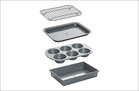
Why preheat a big oven when smaller appliances can do the job? We’re all about air fryers—and if you like to cook for one or two, you probably are too. Here’s an entire guide to converting oven recipes to the air fryer! And don’t count out toaster ovens. With a set of petite pans like this, you can cook way more than toast and tuna melts.Use a timer, a kitchen thermometer, and common sense
Once your shrunken-down recipe is ready to cook, the big question is how long? Smaller portions cook faster, but there’s no exact formula. (Sorry.) A few tips to go by:- Set a timer for half of the original cook time; then check and continue as needed. You can always cook longer, but you can’t undo overcooking!
- Use a thermometer to make sure your food reaches a safe internal temperature—no surprises when you dig in.
- Follow visual cues. Most of our recipes include indicators like “cook until lightly browned.” Those clues help!
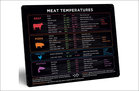
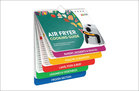
Handy Tools for Smaller Batch Cooking

Chew on this:
Today, April 17th, is National Cheeseball Day. Keep it cheesy, you ol’ cheeseball…
Your friend was just complaining about this very problem! Send this over to help them scale down multi-serving recipes.

We may receive affiliate compensation from some of these links. Prices and availability are subject to change.
We may have received free product samples, which in no way influences whether these products are reviewed favorably, unfavorably, mentioned with indifference, or mentioned at all. Click for more about our editorial and advertising policies.
*The WW Points® values for these products and/or recipes were calculated by Hungry Girl and are not an endorsement or approval of the product, recipe or its manufacturer or developer by WW International, Inc., the owner of the Points® trademark. For those on the Diabetic Plan, values may vary.
Questions on the WW Points® values listed? Click here.
Hungry Girl provides general information about food and lifestyle. This information and any linked materials are not intended and should not be construed as medical advice, nor is the information a substitute for professional medical expertise or treatment. Click here for more information.
